
For many people, the best diet for knee pain has less to do with cutting calories and more to do with lowering inflammation. The moment their foot touches the ground, sharp pain arises straight into the knees. Simple tasks like kneeling while playing with grandkids, walking, praying, or going up the stairs become as hard as hiking Mount Everest.
For many, the only way ahead appears to be endless bottles of over-the-counter pain medications and preparing oneself for knee replacement surgery at some point in the future. There comes a feeling of helplessness, being locked up in an unresponsive body and questioning whether life would continue to be a measure of limitations.
The operating room may not always be the only option for those struggling with joint issues. The importance of eating the right foods to ease the knee’s pain has been proven scientifically and can’t be emphasized enough.
Orthopedic surgeon Dr. Maqsood Akhtar treats chronic joint issues through a complete spectrum of care, starting with targeted lifestyle modifications and medications before ever considering knee replacement surgery. Patients seeking expert care for knee pain can consult Dr. Maqsood Akhtar for trusted guidance needed to restore their strength and lifestyle.
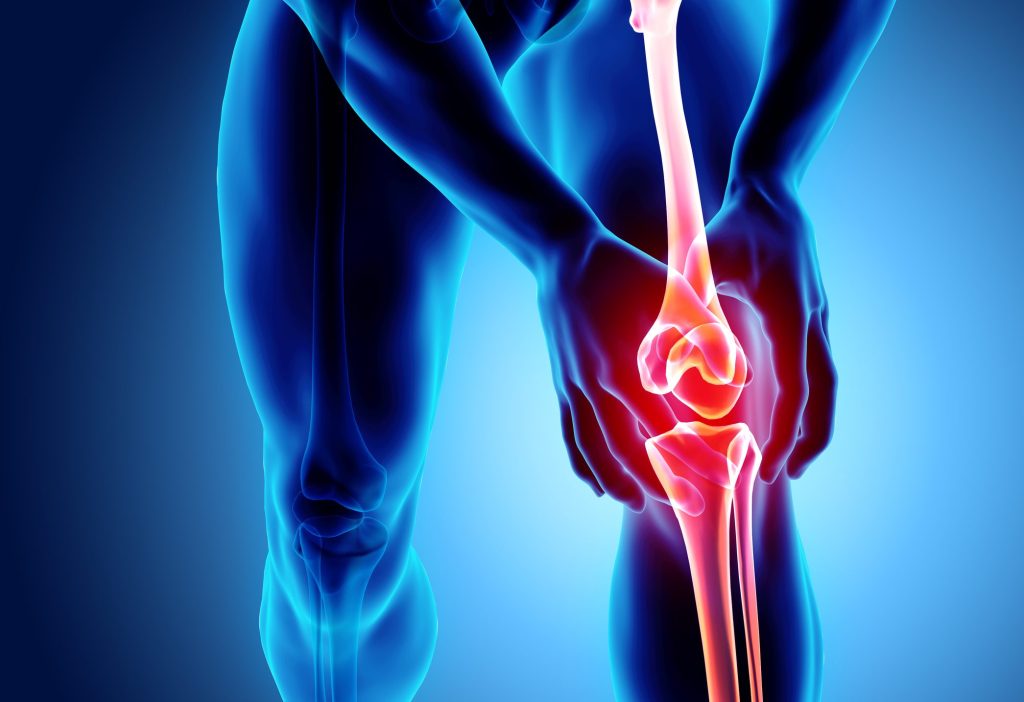
This article explores the best diet for knee pain, highlighting anti-inflammatory foods, essential nutrients, and healthy eating habits that may help reduce inflammation, support joint health, and manage knee pain symptoms.
To see the effects of food in relieving joint pain, patients must understand what happens under the surface. Inflammation plays a role in worsening any form of knee pain, regardless of whether its origin is osteoarthritis, degradation of cartilage, or sports injuries.
When the body detects trauma and/or stress, it produces inflammatory cytokines in the joints. They are useful in low doses. But when used repeatedly, inflammatory cytokines cause damage to the joint fluid and nerve endings in the knee area.
Many foods that we eat nowadays, such as refined seed oils, fried food, and junk food, add fuel to the fire. But foods rich in antioxidants and good fats have a calming effect on the body. Even though nutrition can’t restore worn-out bones, an anti-inflammatory diet decreases inflammation and prevents the breakdown of cartilage.
The first step in creating a joint protection diet is to choose foods that are rich in natural anti-inflammatory substances.
Struggling with chronic joint stiffness? Explore conservative nutrition strategies and advanced knee replacement surgery with Dr. Maqsood Akhtar
While certain foods aid in healing, some silently cause further damage to knee pain. Removing such foods from the diet can help a lot in just a few weeks:
The whole food, anti-inflammatory nutritional regimen provides yet another key advantage: sustainable weight management.
For every pound of body weight gained, one adds about four pounds of mechanical weight on their knees with each step taken. While climbing stairs, the load increases to six or even seven pounds per pound of body weight.
If one carries ten extra pounds, it results in forty pounds of added pressure on one’s knees during thousands of steps per day. With the help of high-fiber foods that cause gradual weight loss, the patient removes that heavy strain from their tired knees. For those who want to postpone or completely avoid knee replacement surgery, this approach is an effective non-invasive option.
Making changes to diet doesn’t have to happen all at once. Small changes will result in big benefits:
Despite the effectiveness of an anti-inflammatory diet and lifestyle modifications in offering some comfort in the initial phases of joint disorders, there are limitations in these natural methods of treatment. Once the cartilage is completely worn off, causing severe bone-to-bone irritation that hinders normal activities, diet changes and conservative methods might not be enough to relieve the condition.
People do not have to endure persistent knee pain without seeking treatment. Consulting an orthopedic surgeon can help identify the underlying cause through a clinical evaluation and joint assessment. If conservative treatments fail to improve mobility and relieve symptoms, knee replacement surgery may be considered to reduce pain and restore joint function.
For someone who experiences chronic knee pain, every passing day becomes hard. If the simple act of moving becomes so exhausting that it drains all the pleasure out of life, then one must take action and treat it in a timely manner. With the help of the appropriate diet for knee pain, individuals can actually take complete control of their lives.
They can stock up their cabinets with fruits such as berries, fish that’s rich in fat, such as salmon, olive oil, and green vegetables. Dr. Maqsood Akhtar, an orthopedic surgeon for patients who suffer from extensive wear and tear and need more than just dieting, offers specialized solutions for knee pain, ranging from medicines to minimally invasive knee replacement surgery procedures.