
Hip Replacement Surgery
in Lahore
Ready to Walk Freely? Dr. Maqsood Akhtar provides total hip replacement surgery to treat damaged hip joints and help restore comfortable movement, so you can get back to the relief you deserve.
- 20+ Years of Experience in Hip Replacement Surgery
- Total & Partial Hip Replacement Options
- Personalized Treatment for Every Patient
- Modern Surgical Techniques & Care
- Dedicated Follow-Up and Rehabilitation
- Focused on Restoring Comfortable Movement
A Certified Expert in Advanced Joint Reconstruction
Dr. Maqsood Akhtar has served in leading orthopedic departments and continues to provide modern, evidence-based orthopedic care with patient safety and long-term results as his top priorities.
Meet Dr. Maqsood Akhtar
Hip Replacement Surgeon in Lahore

Dr. Maqsood Akhtar is an experienced hip replacement surgeon in Pakistan. He is known and highly regarded for his exceptional quality of services related to bone and joint-related medical issues. Dr. Maqsood Akhtar holds an MBBS from Islamia University Bahawalpur and an FCPS in Orthopedic Surgery. With over 20 years of experience in orthopedics, he has developed extensive expertise in joint replacement procedures. He further enhanced his surgical skills by completing the 13th Total Knee Arthroplasty Live & Cadaveric Surgery Workshop organized by the Pakistan Arthroplasty Society. Cadaveric surgical training improved Dr. Maqsood Akhtar’s skills and contributed to the accuracy and safety of knee replacement surgery performed by him. His area of specialization includes surgery of the hip joint replacement, arthroplasty, minimally invasive orthopedic surgery, treatment of fractures, arthroscopy, reconstructive orthopedic surgery, and trauma.
Over the course of his professional life, Dr. Maqsood Akhtar has been treating different kinds of patients in reputable hospitals who have suffered from Hip bone problems. In this way, he became an experienced orthopedic surgeon for hip replacement in Lahore, both in terms of surgical and non-surgical treatment. So, he always advises his patients about the appropriate treatment for their condition. It’s a reason why his patients always appreciate his friendly attitude, clear communication skills, and dedication to the recovery of the patient after the surgery.
Professional Certifications & Accreditations

MBBS
Islamia University Bahawalpur

FCPS

PMDC
Orthopedic
surgeon

services institute of medical sciences
primary trauma
care foundation

NHS
College of Physicians and Surgeons

ATLS
Advanced Trauma Life Support (ATLS)
What is Hip Replacement Surgery?
Hip replacement, or hip joint replacement, total hip replacement, or hip arthroplasty, is a type of surgery where damaged components of the hip joint are replaced with artificial prostheses. These artificial implants help alleviate pain, restore mobility, and bring back full functionality.
Hip replacement surgery is among the most successful orthopedic operations across the globe since there is a very high patient satisfaction rate, with more than 95 percent of patients experience instant pain relief and feel the incredible improvement of their general quality of life. Dr. Maqsood Akhtar recommends either total hip replacement surgery, hemiarthroplasty, cemented hip replacement, uncemented hip replacement, hip ball joint replacement, or minimally invasive hip replacement, depending on your health state.

Choosing the Right Hip Replacement
Each person has a unique body structure and bone density; that’s why Dr. Maqsood Akhtar provides various options for joint replacement surgery. After analyzing the results of your X-ray scans and assessing the condition of your bones, Dr. Maqsood Akhtar will suggest the best option for you.
| Type of Hip Replacement | Best For | What it involves | Potential Benefits |
|---|---|---|---|
| Total Hip Replacement (THR) | Patients with advanced osteoarthritis, joint wear, or severe/ advanced hip damage. | Replacing both the worn-out socket (acetabulum) and the ball of the thigh bone (femoral head) with artificial implants. | Eliminates chronic joint pain. Fully restores the normal range of motion. Lasts for decades. |
| Hemiarthroplasty | Older patients who have suffered a severe hip fracture or neck fracture of the femur. | Hip ball joint replacement (femoral head) while keeping the patient’s natural socket intact. | Shorter operating time. Lower risk of complications. Ideal for restoring immediate mobility in seniors. |
| Revision Hip Replacement | Patients with old implants that have worn out, loosened, or become infected over time. | Removing the old, damaged artificial joint and replacing it with specialized, highly durable revision implants. | Restores joint stability. Stops localized pain. Preserves critical leg function. |
| Cemented Hip Replacement | Seniors, patients with osteoporosis, or individuals with weaker bone quality. | Securing the new artificial joint components directly to the natural bone using special fast-acting bone cement. | Provides immediate implant stability. Allows for early weight-bearing. Reduces post-op pain. |
| Cementless Hip Replacement | Younger, physically active patients with excellent, dense bone health. | Using textured, porous implants that allow the natural bone to gradually grow and bond into them over time. | Creates a highly natural, permanent biological bond. Minimizes the risk of future implant loosening. |
| Minimally Invasive Hip Replacement | Eligible candidates looking for a rapid recovery with minimal visible scarring. | Performing the joint replacement through one or two small incisions. Avoiding major muscle cutting. | Significantly less blood loss. Less post-operative pain. Much faster transition to walking. |
Signs That You May Need Hip Replacement Surgery
While nonsurgical options such as medications, joint injections, and physical therapy are always considered first, the hip replacement is the definitive solution once the joint deterioration starts causing you mobility problems. Dr. Maqsood Akhtar suggests hip replacement for people suffering from joint deterioration resulting from various factors such as:
- Advanced hip osteoarthritis or rheumatoid arthritis causing severe cartilage damage
- Loss of blood supply to the hip joint causing bone damage
- Traumatic hip injuries or fractures, especially in older adults
- Bone tumors affecting the hip joint or surrounding structures
- Childhood hip conditions causing joint deformity in adulthood
- Persistent hip pain that affects daily activities and mobility
- Difficulty walking or performing routine movements comfortably
- Hip pain that continues even while resting or sleeping
- Difficulty climbing stairs due to pain or limited mobility
- Restricted hip movement affecting everyday activities and independence
- Hip joint damage caused by a previous injury or trauma
- Lack of improvement despite appropriate non-surgical treatment
- Reduced quality of life due to persistent hip pain and stiffness
When Should You See
Dr. Maqsood Akhtar for a Hip Replacement?
Numerous patients suffer from significant distress year after year as a result of ignoring hip joint pain. Yet, postponing a hip joint replacement procedure that is essential for you could overload your back and knee joints and cause additional problems. You should see a hip replacement surgeon in Pakistan, Dr. Maqsood Akhtar, if you experience any of these issues:
- Persistent hip pain affecting daily activities
- Needing an extremely honest and professional second opinion
- Pain that does not improve with medicines or physiotherapy
- Constant pain that interrupts your sleep
- Severe stiffness in the hip & reduced quality of life
- X-ray reports showing advanced damage to bones
- Hip fracture complications because of a previous hip injury or trauma
- Difficulty walking & balance problem
Your Hip Replacement Journey: From Consultation to Recovery
Being aware of the recovery schedule is extremely comforting and prepares you psychologically and physiologically to have a positive result. Dr. Maqsood Akhtar makes sure that each patient is well taken care of by giving them an individual rehabilitation plan. Recovery begins soon after surgery, and every patient progresses at a different pace.
1. Hospitalization: 3 to 5 Days
After your surgery, you will stay with us for some days under medical supervision. During this period, our medical staff will take care of your comfort through modern pain relief methods and your wound healing.
2. You Start Early Rehabilitation: Within 24 Hours After Surgery
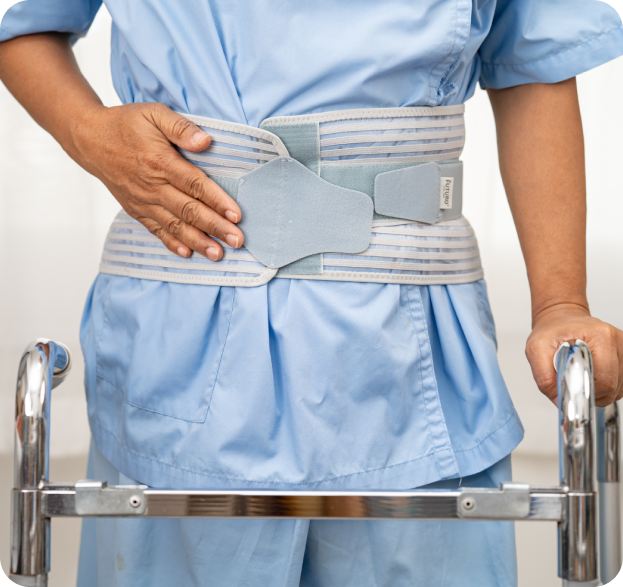
To avoid blood clot formation and keep the joint mobile, a physiotherapist will assist you to stand up and take your very first steps with a walker after surgery. It is essential for stimulating blood flow and bone healing.
3. Transition into Daily Activities: Weeks 1 to 2
After discharge, you should continue to rest at home and engage in light daily activities like short walks inside the house, sitting on the dining table, and performing low-impact leg movements as directed.
4. Resumption of Safe Driving: Weeks 4 to 6
As soon as the specialist assesses that you have regained good muscle coordination, fast reflex actions, and are free of all prescription painkillers. He will permit you to drive again, which is usually one month to six weeks after surgery۔
5. Resumption of Work Duties: Weeks 6 to 8
Patients who have sedentary office work duties are normally fit for resumption of work in six weeks post-operation. But if your occupation includes heavy lifting, standing, or physical labor, you might take up to three months before going back to work.
6. Structured Physical Therapy: Weeks 2 to 12
Rehabilitation on a regular basis is crucial to ensuring optimal results after surgery. You will have a structured physical therapy program that will include working on the strength of the muscles around the gluteals and thighs, as well as joint flexibility and gait.
7. Full Recovery from Surgery: 6 to 12 Months
While you will be moving around on your feet comfortably and on your own in several weeks, the healing process will last for a whole year. Most patients forget they even have an artificial joint by the time it is over.
8. Carrying Out Expert Surgeon Recommendations Ongoing
The success of the operation largely depends on following the surgeon’s recommendations. It involve attending all the follow-up appointments, not playing high-impact sports such as running and jumping, and keeping a healthy weight.
Simple Steps Towards Better Mobility
Deciding on joint surgery may seem daunting, but Dr. Maqsood Akhtar and his team make the entire process of hip replacement in Lahore very simple, clear, and reassuring for everyone. You are guided through all the steps of the process to ensure you have full awareness and are physically prepared.


Schedule Your Consultation
The process starts with a detailed consultation with Dr. Maqsood Akhtar in Lahore. You can simply schedule your appointment through our patient care helpline or through our website.

Complete Your
Joint Assessment
Dr. Maqsood Akhtar will do a thorough physical evaluation of your hip’s flexibility and analyze your diagnostic tests (such as MRI and X-rays), along with discussing your lifestyle goals to determine the degree of joint damage.

Get Your Personalized Surgery Plan
If joint replacement surgery is indeed the way out for you, the surgeon will devise a personalized plan for you, including which type of joint material is most suited for you, either ceramic or titanium, and whether you prefer the cemented or cementless technique.

Precise Surgery and Rehabilitation Support
On the day of your surgery, Dr. Maqsood Akhtar will carry out the joint replacement procedure using precise surgery techniques. After the surgery is complete, our well-thought-out and systematic physical rehabilitation program will help you get back to your daily routine.
Heartfelt Words from Recovered Patients
Read how, with the help of the best orthopedic surgeon in Lahore, our devoted orthopedic care has helped patients reclaim their freedom from chronic pain:

“For almost two years, I suffered from severe left shoulder pain that no medicine could fix. It was impossible to sleep on my left side. My friend advised me to visit Dr. Maqsood Akhtar, which turned out to be the most important decision of my life. My frozen shoulder was diagnosed at once, and with the help of a combined left shoulder pain treatment through specific injections and special physiotherapy, I now live an absolutely pain-free life, and my arm moves well. Truly a skillful doctor with a very pleasant personality.”

Samra Bibi, Lahore
“As a professional cricketer, I feared that a rotator cuff injury would bring my career to an end. After consulting several specialists without finding the confidence I needed, I met Dr. Maqsood Akhtar. From our very first consultation, his expertise, clear treatment plan, and genuine compassion gave me hope. He recommended a minimally invasive arthroscopic procedure for my right shoulder. Thanks to his exceptional care and successful treatment, I recovered well, regained full shoulder function, and returned to competitive cricket without pain or discomfort. I am truly grateful for the outstanding care I received.”

Zain Ali, Gulberg, Lahore
Affordable Hip Replacement Surgery Cost in Lahore
The most common query among patients is the hip replacement surgery cost in Lahore. The overall cost of a total hip replacement surgery is based on a number of crucial factors. Dr. Maqsood Akhtar follows the concept of complete transparency in providing a full breakdown of costs to its patients so that they can make their financial arrangements without any surprises or unexpected costs at the hospital. It is true that opting for a more affordable choice is crucial, but your joint replacement is an investment for life. Choosing high-quality FDA-approved joint implants and an expert surgeon lowers the chances of needing any revisions. Typical factors affecting the cost are:

The Surgeon’s Fees:
It’s dependent on the expertise and experience of the surgeon.
The Type of Implants:
There is a huge variation in the costs of the implants used, ranging from metallic to FDA-approved ceramic or titanium implants.
The Hospital Cost:
It will depend on the health facility and the type of operating theater that is being used.
Type of Anesthesia & Materials:
Whether general or spinal anesthesia will be used. Whether inpatient or ICU services are needed.
Rehabilitation:
Physiotherapy sessions, post-op home care, medications, and consultations.
Trust the Experienced Hands of Dr. Maqsood Akhtar
Living with chronic pain in the hips may turn out to be torture in life. However, one does not need to go through pain forever. Having more than 20 years of experience in clinical practice, Dr. Maqsood Akhtar has assisted hundreds of people in regaining their mobility and becoming physically stronger after a hip replacement. By opting for the latest treatment, you will opt for a return to the world of comfort, vitality, and freedom. Trust your health with an expert who treats his patients effectively and designs your recovery journey around your personal life goals.
Orthopedic Treatment Services for Bone and Joint Conditions
Clear, Expert Answers
to Your Important Questions
Is hip replacement surgery safe?
Yes, it is safe when performed by an experienced orthopedic surgeon.
How long does it take to recover after a hip replacement?
Patients usually begin walking gently one day after the hip replacement surgery. Daily activities become easier in 4 to 6 weeks. However, full recovery might take up to 3 to 6 months.
How long does a hip implant last?
A modern hip implant typically lasts 20–25 years or longer, depending on the patient’s health, activity level, and implant type.
How much does hip replacement surgery cost in Lahore?
The cost of a hip replacement varies depending on the implant used, hospital costs, surgeons’ fees, and the personal needs of the patient.
Will I need physiotherapy after hip replacement?
Certainly, physiotherapy is very important after the hip replacement surgery since it speeds up the process of recovery.